Mortgage Broker Website Builder: Webflow, WordPress, Squarespace, Wix or Something Else?
A practical comparison of Webflow, WordPress, Squarespace, Wix and next-generation headless websites for Australian mortgage brokers, including SEO, content, custom tools and AI-assisted development.
Choosing a website builder sounds like one of the easier decisions involved in launching a mortgage broker website. Then you start looking.
Webflow looks beautiful. WordPress can seemingly do anything. Squarespace looks straightforward. Wix has come a long way and includes an enormous amount of functionality. And now there's another category emerging: custom, AI-assisted websites using modern development tools, headless content management and frameworks such as Next.js and Astro.
I've worked across multiple website platforms, and I don't think there is one universal winner. The better question is: what do you want your mortgage broker website to become?
A solo broker who wants a polished site they can maintain themselves has very different requirements from a brokerage planning hundreds of educational resources, calculators, interactive tools and a serious SEO strategy. So let's look at the options properly.
Mortgage Broker Website Builders at a Glance
If you want a polished, design-led marketing website, consider Webflow. If you want maximum flexibility and a huge ecosystem, look at WordPress. If you want a straightforward professional website that's easy to manage, Squarespace is worth considering. If you want lots of functionality in an accessible all-in-one platform, Wix deserves a look. If you want a highly customised modern build, consider a next-generation headless website.
Any of these platforms can produce an excellent mortgage broker website. The quality of the strategy, information architecture, copywriting, SEO, design and implementation will usually matter more than the logo on the website builder.
1. Webflow for Mortgage Brokers
Webflow is one of the first platforms I'd look at for a mortgage broker who wants a sophisticated marketing website. It gives designers an enormous amount of visual control without requiring every page to be hand-coded.
That matters when you're trying to create something that doesn't look like another financial-services template. Webflow also has a structured CMS, which can be used for blogs, resources, team members, testimonials, guides and other repeatable content.
What Webflow Does Particularly Well
The biggest reason I'd choose Webflow is design freedom. A mortgage broker website needs to establish trust quickly. Typography matters. Spacing matters. Photography matters. The order in which information appears matters. The website should feel financially credible without looking like a bank.
Webflow gives us the control to make those decisions properly. There are also some very good templates available, and I have no problem starting with a template. A good template can save hours of structural work. The mistake is treating the template as the finished website.
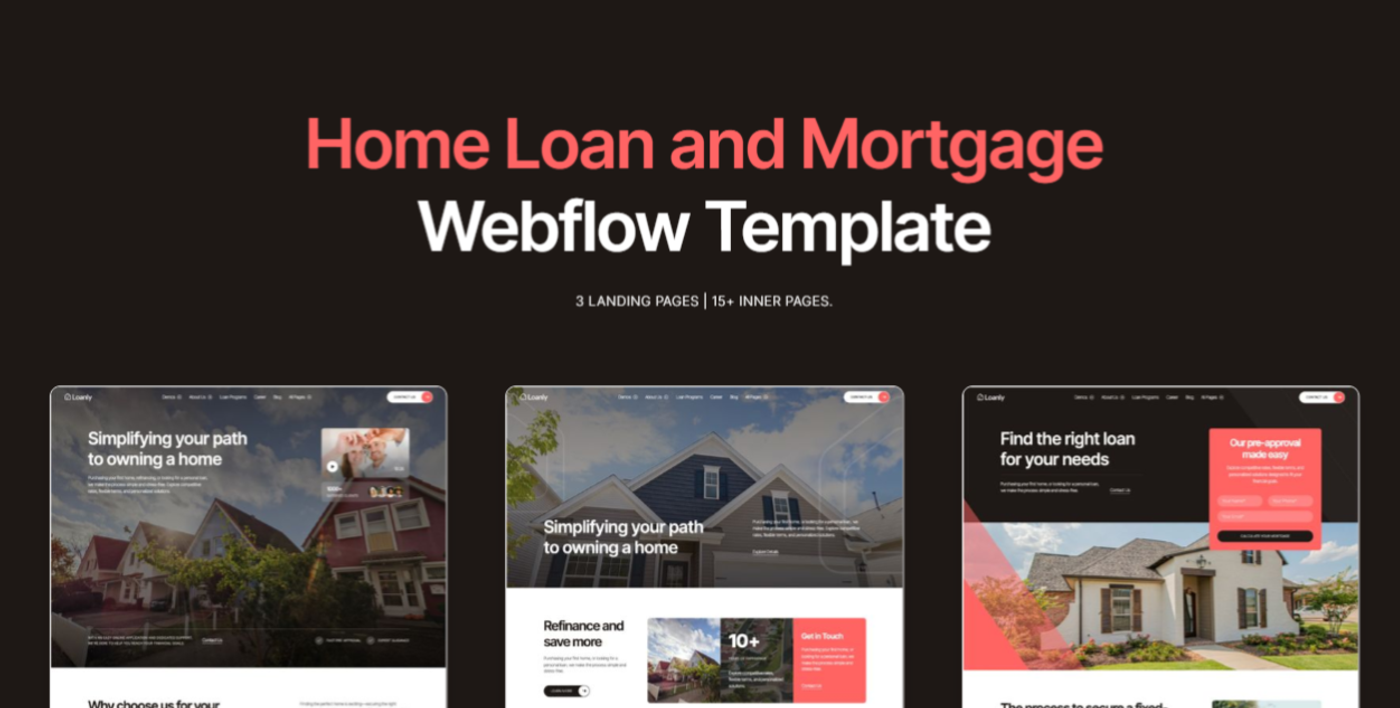
We might start with a Webflow mortgage broker template because we like its layout, then change the typography, colours, photography, messaging, navigation, page structure, calls to action and content architecture until the finished website belongs to the brokerage.
Is Webflow Good for Mortgage Broker SEO?
Yes. Webflow gives us the technical controls required for a serious SEO strategy, including metadata management, CMS content, redirects and structured site architecture. But the platform won't create the strategy for you.
You still need to decide which lending services deserve dedicated pages, which customer questions should become resources, how articles should link to service pages, which topics deserve cornerstone guides, how national or local targeting should be structured and what information will genuinely make the site better than competing broker websites.
Blogging in Webflow
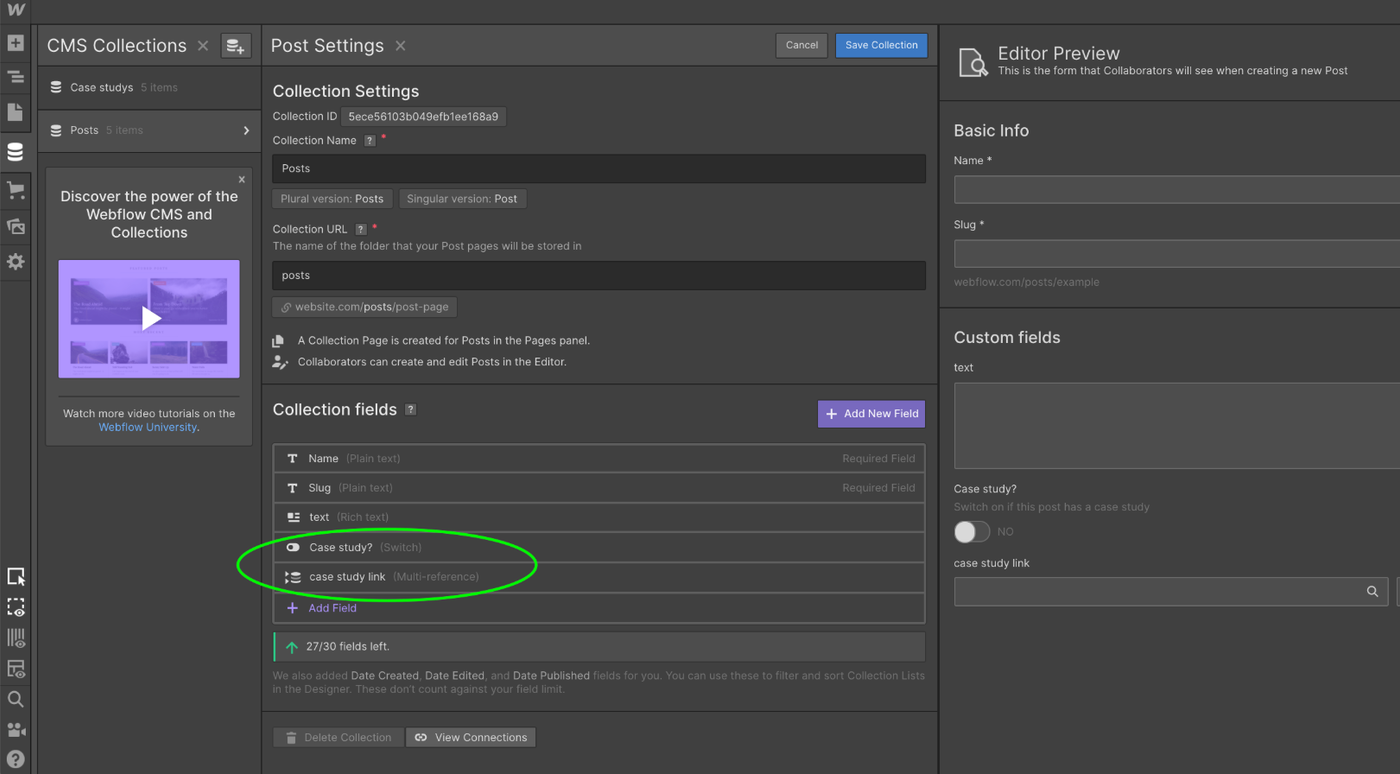
Webflow CMS works well for a conventional resource centre or blog. You can create a structured post template and manage repeatable content without redesigning each article individually. For a mortgage brokerage publishing regularly, that gives you a clean editorial system.
Who Should Choose Webflow?
I'd seriously consider Webflow for a brokerage that cares about high-end presentation, wants a strong content and SEO strategy, needs more design freedom than a typical DIY builder, doesn't want to manage a large WordPress plugin stack and expects the website to remain primarily a sophisticated marketing and content platform.
2. WordPress for Mortgage Brokers
WordPress is still enormously capable. I've built with WordPress for years, and there are projects where I'd choose it without hesitation. Its biggest advantage is its ecosystem.
Need forms? There's a plugin. Booking system? Plugin. Advanced schema? Plugin. Membership area? Plugin. Mortgage calculator? Probably several plugins. That flexibility is difficult to match.
WordPress Gives You Choices
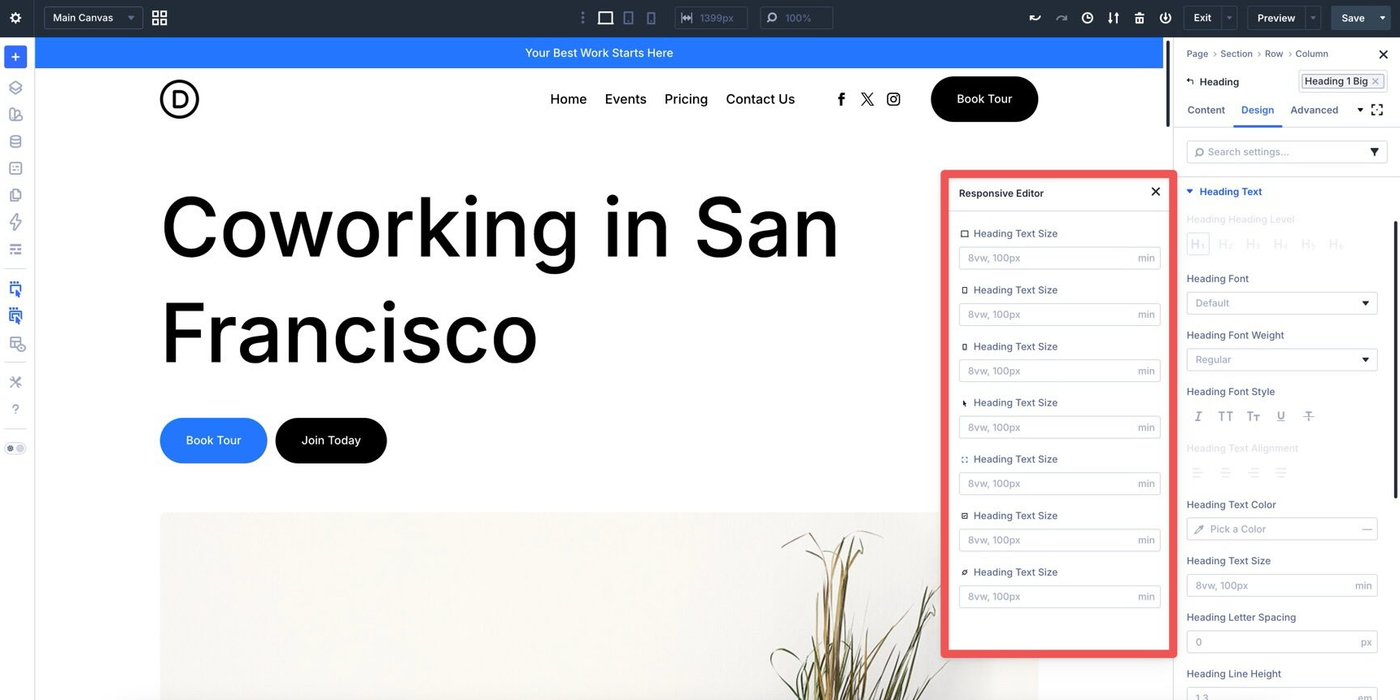
WordPress itself is the content management system. The visual building experience depends heavily on what you put on top of it. You could use Divi, Elementor, Gutenberg, Bricks, Beaver Builder, another visual builder, a custom theme or a commercial theme such as Astra. That means two WordPress websites can have completely different workflows.
The WordPress Trade-Off
The enormous ecosystem is also where WordPress can become messy. A site might eventually have a visual builder, an SEO plugin, security software, caching, forms, backups, image optimisation, redirects, analytics, cookie management, schema, popups and integrations. Every additional component becomes something to maintain.
A well-managed WordPress website can be excellent. A badly managed one becomes a cupboard full of extension cords.
Is WordPress Good for Mortgage Broker SEO?
Very. WordPress is perfectly capable of supporting the content architecture I would want for a mortgage broker: lending service pages, educational guides, FAQs, case studies, calculators, videos, downloadable resources, comparison pages and a substantial blog. The SEO outcome still depends on what you build inside the platform.
Who Should Choose WordPress?
I'd consider WordPress when the brokerage already uses it, the website needs specialised functionality, we need access to a very large plugin ecosystem, the client wants a mature widely supported CMS or there are existing integrations that already work well with WordPress. I wouldn't rebuild a good WordPress site simply because another platform is newer.
3. Squarespace for Mortgage Brokers
Squarespace sometimes gets dismissed in professional web-design conversations because it's relatively easy to use. I think that's unfair. Ease of use is valuable.
If a solo mortgage broker wants a beautiful, professional website and doesn't need unusually complex functionality, Squarespace can make a lot of sense.
Where Squarespace Shines
Squarespace is good at helping you maintain visual consistency. Templates generally start from a strong design system. You aren't assembling fifteen plugins before you can publish an article. For a broker who wants to log in, change some copy, upload a photo or publish a post without calling their developer, that's attractive.
Squarespace and SEO
The old idea that Squarespace can't do SEO is outdated. It provides the fundamental tools required for normal business SEO. The strategic work remains yours. A perfectly configured Squarespace website containing five generic pages isn't suddenly going to become an authority. I'd rather have a well-planned Squarespace website with exceptional content than an unnecessarily complicated technology stack with nothing useful on it.
Where Squarespace Becomes Limiting
If the website starts becoming an application rather than a marketing site, I'd begin looking elsewhere. Custom interactive tools, complex data relationships, large structured content libraries, highly unusual layouts and advanced integrations are the points where the simplicity that makes Squarespace appealing can become a constraint.
4. Wix for Mortgage Brokers
Wix deserves a fresh look if your opinion of it was formed ten years ago. It now includes substantial SEO controls, structured data support, blogging functionality and a broad set of integrated business tools.
Why Wix Appeals to Business Owners
Wix puts a lot in one place: website, forms, blog, bookings, marketing tools, analytics, SEO settings and business functionality. For someone who doesn't want to assemble a technology stack, that can be genuinely useful.
The Wix Design Question
Wix offers substantial design freedom, but that freedom needs direction. Give someone complete control of spacing, typography, colours and positioning without a design system and things can become inconsistent quickly. That's a design problem rather than a Wix problem. Professionally directed Wix websites can look very good.
Is Wix Good for SEO?
Wix provides the technical foundations required for mainstream SEO. I'd focus less on whether Wix technically does SEO and more on whether Wix is the right environment for the particular website we're planning.
5. Next-Generation Headless Websites
This is the category I'm most interested in watching. It also requires the most explanation because most mortgage brokers have never heard the term headless website. The name sounds much stranger than the idea.
What Does Headless Mean?
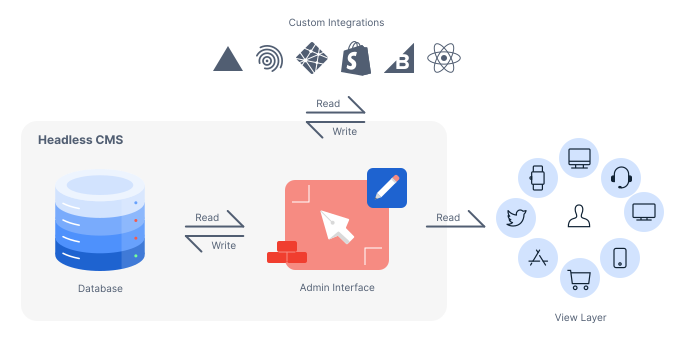
Traditional website systems generally keep your content management and website presentation closely connected. A headless architecture separates them. Your content might live inside a structured CMS such as Sanity, while a front end built with Next.js, Astro or another framework determines how people experience that content.
Your mortgage FAQs don't have to exist purely as text buried inside one webpage. They can exist as structured information. Broker profiles, loan types, guides, FAQs, testimonials, videos, calculators and resources can become reusable pieces of content.
Where Sanity Fits In
Sanity can act as the content engine. It stores content as structured data that can be delivered to different experiences. For a mortgage brokerage, imagine having one structured FAQ library. A question about refinancing could appear on the refinancing page, inside a related article, inside an FAQ hub or inside another digital tool without maintaining independent copies of the same information.
Next.js and Astro
Next.js is a modern React framework that gives developers considerable freedom to build customised websites and applications. Astro takes a content-focused approach and is particularly interesting for fast sites where most pages are informational but selected components need interactivity.
A mortgage broker doesn't need to become a developer to care about the distinction. The practical benefit is flexibility: sophisticated calculators, interactive comparison tools, client portals, personalised resources and unusual content experiences can be built without being constrained by the assumptions of a traditional page builder.
AI-Assisted Development Changes the Equation
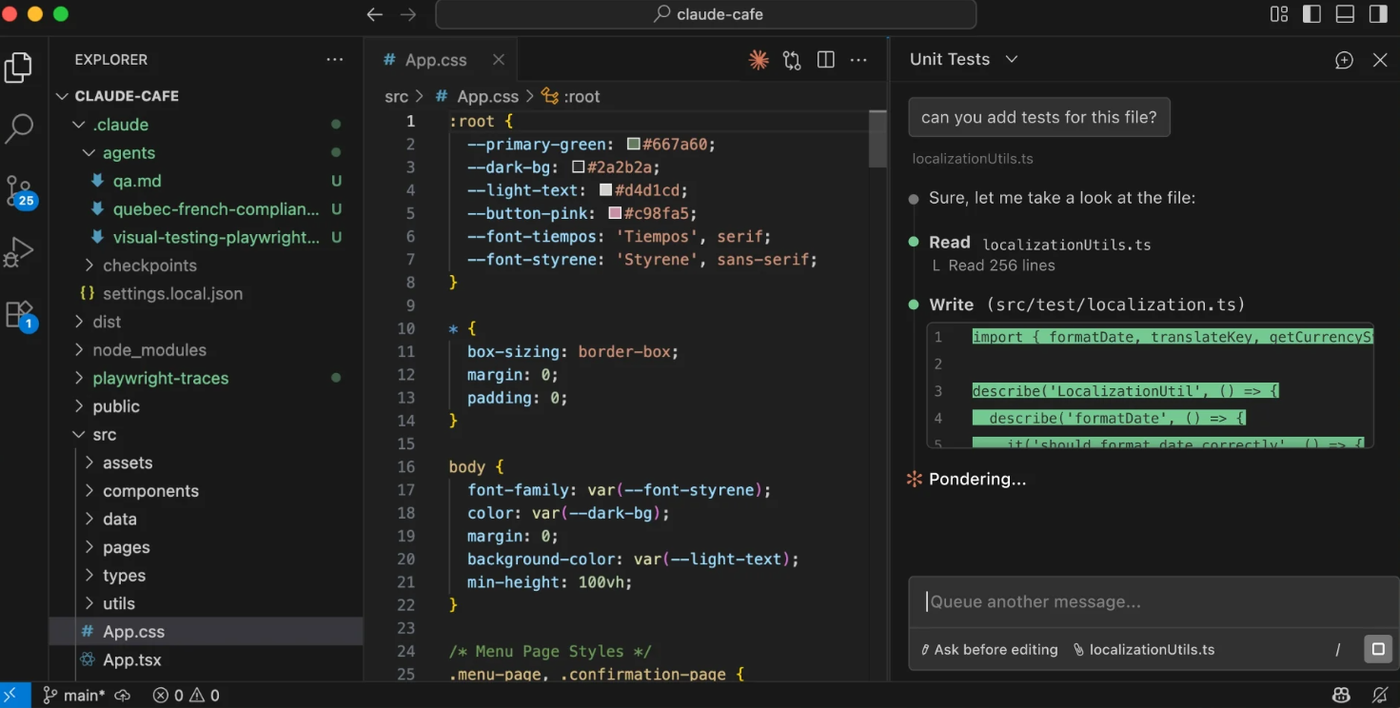
Tools such as Lovable and Claude Code can substantially accelerate parts of website and application development. I prefer the term AI-assisted development. The technology doesn't remove the need for strategy, creative direction, UX decisions, information architecture, content planning, quality control, SEO, testing or human judgement. It can increase the speed at which ideas are explored and implemented.
Where Lovable Fits
Lovable is particularly interesting for rapid development and custom interfaces. For a mortgage brokerage, that could eventually mean interactive borrowing tools, custom resource centres, onboarding applications, lead qualification systems, sophisticated calculators and client education experiences.
I wouldn't recommend choosing this route simply because AI is new. I'd choose it because the project benefits from what the technology allows us to build.
Who Should Consider a Next-Generation Headless Website?
I'd start this conversation when the client wants the website to become much more than a website, has a substantial resource library, wants custom tools around the lending process or doesn't want future development limited by a page builder. For a five-page brochure website, it may be unnecessary. For an ambitious brokerage building a serious digital platform, it's worth considering.
Webflow vs WordPress vs Squarespace vs Wix vs Headless: Which Would I Choose?
I'd Choose Webflow When...
The brokerage wants a polished, sophisticated marketing website and design quality is high on the priority list. I'd also be comfortable building a serious content strategy around Webflow CMS.
I'd Choose WordPress When...
The project benefits from WordPress's huge ecosystem, the brokerage already has substantial WordPress infrastructure or we need functionality that's easily solved through established plugins. I'd happily keep a good WordPress site on WordPress rather than rebuilding it for fashion's sake.
I'd Choose Squarespace When...
The business wants something professional and relatively straightforward that the owner can manage without becoming a part-time website administrator.
I'd Choose Wix When...
The business values an integrated platform with lots of functionality and wants significant control over the site internally. Wix has matured considerably and deserves to be evaluated based on what it is now rather than what it was years ago.
I'd Choose Headless When...
We're trying to build something unusually ambitious: a content ecosystem, custom calculators, structured knowledge, interactive resources, client tools, AI integrations or a website that may gradually evolve into a digital product. That's where I'd seriously consider Sanity with a modern front end such as Next.js or Astro, potentially accelerated through AI-assisted development tools.
What Does a Mortgage Broker Website Actually Need?
The platform question matters, but I don't think it should come first. Before choosing the website builder, I'd work out what we're actually building.
Core Pages
A strong mortgage broker website may include Home, About, Contact, broker or team profiles, Services, First-Home Buyers, Refinancing, Investment Loans, Construction Loans and Self-Employed Borrowers.
Trust Content
Reviews, case studies, lender relationships where appropriate, accreditation and licence information, process explanations and FAQs can all help establish credibility.
Educational Resources
A mortgage glossary, first-home buyer guide, refinancing checklist, application document checklist, loan comparison resources, calculators, videos, downloadable PDFs and interactive tools can turn the website into a genuinely useful resource.
SEO Content
Detailed service pages, resource articles, comparison content, carefully selected location content where relevant to the brokerage, FAQs, internal links, structured data and continuously improved cornerstone resources all have a role. Once we know where the website is heading, choosing the platform becomes much easier.
Don't Choose Your Website Builder Based on SEO Alone
I regularly see people ask which website builder is best for SEO. That's understandable, but it places too much weight on the tool. Webflow, WordPress, Squarespace, Wix and modern headless systems can all support search optimisation.
The bigger SEO questions are whether we're creating anything worth finding, whether the website thoroughly answers the questions potential clients are asking, whether we're creating resources competitors haven't bothered to build, whether search engines understand how the content relates and whether the website deserves to become an authority on the subject.
The platform supports that work. The strategy creates it.
My Recommendation for Mortgage Brokers
If you're commissioning a professional mortgage broker website, don't start the conversation by saying, "I need a WordPress website." Start with: "Here's what I want this website to achieve."
Talk about the clients you want, the loans you specialise in, the questions people repeatedly ask, the resources you could provide, the problems your website should solve, the content you want to publish and the tools you'd eventually like to offer. Then choose the technology.
For some brokers, I'll recommend Webflow. For others, WordPress makes more sense. A smaller practice may be perfectly served by Squarespace. Wix can suit another brokerage extremely well. And increasingly, there will be projects where I recommend moving beyond the traditional website-builder model entirely.
The website builder is the foundation. What we build on top of it is where things become interesting.
Planning a mortgage broker website? Download the 14-page field guide with 50+ website essentials, key pages, calculators, tech stack and a 25-point self-audit.
Download the Free Mortgage Broker Field GuideCommon questions
What is the best website builder for a mortgage broker?
There isn't one platform that suits every mortgage brokerage. Webflow is particularly strong for design-led marketing websites, WordPress offers enormous flexibility, Squarespace and Wix can suit brokers who want simpler management, while a headless build can make sense for businesses planning custom tools, large resource libraries or more advanced functionality.
Is Webflow good for mortgage broker websites?
Yes. Webflow is well suited to mortgage broker websites that need strong visual design, structured CMS content, blogging and SEO control. It also gives a professional designer considerable freedom to customise the website around the brokerage rather than relying on a standard template.
Is WordPress good for mortgage brokers?
WordPress remains a strong choice for mortgage brokers, particularly when the website needs specialised functionality or integrations. Its large ecosystem of themes, page builders and plugins also makes it possible to expand the website considerably over time.
Is Squarespace suitable for a mortgage broker website?
Squarespace can be a very good choice for a solo mortgage broker or smaller brokerage that wants a professional website that's relatively easy to maintain. It includes blogging and core SEO functionality without requiring the larger technology stack that often comes with WordPress.
Is Wix good for mortgage broker SEO?
Wix provides the technical foundations needed for SEO, including metadata controls, URL settings and structured data. SEO performance will also depend heavily on the site's structure, content quality, internal linking and the resources created for prospective borrowers.
What is a headless mortgage broker website?
A headless website separates the content management system from the front-end website. For example, a brokerage could manage articles, FAQs, broker profiles and resources in Sanity while a website built with Next.js or Astro presents that information to visitors.
Can AI be used to build a mortgage broker website?
AI-assisted development tools can help designers and developers build websites and custom functionality more efficiently. Tools such as Lovable and Claude Code can assist with development, while human direction remains important for strategy, design, UX, content, SEO, compliance review and quality control.
Should a mortgage broker website have a blog?
A useful resource centre or blog can support SEO while helping prospective clients understand lending topics before they make contact. Articles can answer real borrower questions and support important service pages covering areas such as refinancing, investment lending, first-home buying and self-employed borrowing.
Can I use a mortgage broker website template?
Yes. A professionally designed template can provide an excellent starting point and reduce unnecessary development work. The template should then be customised around the brokerage's brand, services, content, customer journey and SEO strategy rather than simply replacing the logo and colours.
How much does a mortgage broker website cost in Australia?
Pricing varies considerably according to the platform, number of pages, custom design, copywriting, SEO, integrations and functionality required. A simple DIY site can cost relatively little, while a professionally planned custom website or advanced headless build can require a considerably larger investment.
Should I choose my mortgage broker website platform based on SEO?
SEO should be one consideration rather than the sole reason for choosing a platform. Webflow, WordPress, Squarespace, Wix and modern headless systems can all support SEO. The better choice depends on the website's content strategy, required functionality, ease of management and how the brokerage expects the site to develop over time.
What should a mortgage broker website include?
At minimum, a professional mortgage broker website should clearly explain the brokerage, its services, who it helps and how prospective clients can make contact. Stronger sites can add broker profiles, reviews, FAQs, educational guides, calculators, videos, downloadable resources, case studies and regularly updated content.
Want a second opinion on your own site?
Start your project